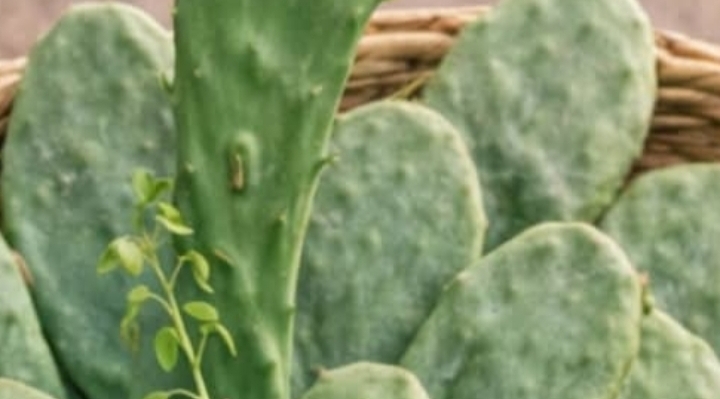
What Is Nopal?Nopal refers to several species within the Opuntia genus, with Opuntia ficus-indica being the most widely used.This cactus features flat, fleshy pads known as cladodes (or “paddles”), which store water—allowing the plant to survive extreme desert conditions.The most commonly used parts include:Young pads (nopales): Consumed as a vegetableFruit (prickly pear or “tuna”): Sweet and refreshingJuice or extract: Used in natural drinks and supplementsIn traditional Mexican cuisine, nopales are a versatile ingredient used in salads, soups, grilled dishes, and even smoothies.Nutritional Value of NopalNopal is considered a nutrient-dense food thanks to its rich profile of vitamins, minerals, and plant compounds.Key nutrients include:Dietary fiber (soluble and insoluble)CalciumIronPotassiumVitamins A, C, and B-complexNatural antioxidantsThese nutrients play essential roles in maintaining overall health and supporting vital bodily functions.Potential Health Benefits of Nopal1. May Help Support Blood Sugar ControlNopal is widely recognized for its potential to help regulate blood sugar levels. Its high fiber content slows down the absorption of glucose in the digestive system, which may help reduce post-meal sugar spikes.Because of this, it is often included in diets aimed at managing or preventing Type 2 Diabetes.2. Promotes Healthy DigestionThanks to its rich fiber content, nopal can:Improve bowel regularityReduce constipationSupport a healthy gut microbiomeFiber also helps increase satiety, making it beneficial for weight management.3. May Support Heart HealthPreliminary studies suggest that nopal may contribute to cardiovascular wellness by:Lowering cholesterol levelsSupporting fat metabolismReducing risk factors linked to heart diseaseWhile promising, more research is needed to confirm these effects.4. Rich in AntioxidantsNopal contains powerful antioxidants that help combat oxidative stress caused by free radicals.These compounds may:Reduce inflammationProtect cells from damageSupport immune functionAntioxidants are essential for slowing down cellular aging and maintaining long-term health.5. Supports Bone HealthNopal is a natural source of calcium, an essential mineral for maintaining strong bones and teeth.This makes it especially valuable for individuals who consume fewer dairy products or follow plant-based diets.How to Eat NopalAdding nopal to your diet is simple and versatile. Here are some popular ways to enjoy it:Grilled or sautéed as a vegetable side dishFresh in salads (nopales salad is a classic)Blended into green juices or smoothiesAdded to soups or traditional mealsNopal has a slightly tangy flavor, and when cooked, its texture is similar to okra.Possible Side EffectsNopal is generally safe when consumed as a food. However, some individuals may experience mild side effects such as:Digestive discomfortMild diarrheaBloatingPeople taking medications for blood sugar control should consult a healthcare professional before consuming nopal regularly, as it may enhance glucose-lowering effects.Final ThoughtsThe nopal cactus is more than just a desert plant—it’s a nutrient-rich superfood with a long history in traditional diets. Packed with fiber, vitamins, minerals, and antioxidants, it offers a variety of potential health benefits, from supporting digestion to helping manage blood sugar.When incorporated into a balanced diet, nopal can be a natural and delicious way to boost your overall nutrition while exploring the benefits of traditional plant-based foods
Nopal Cactus: The “Desert Superfood” and Its Potential Health Benefits