
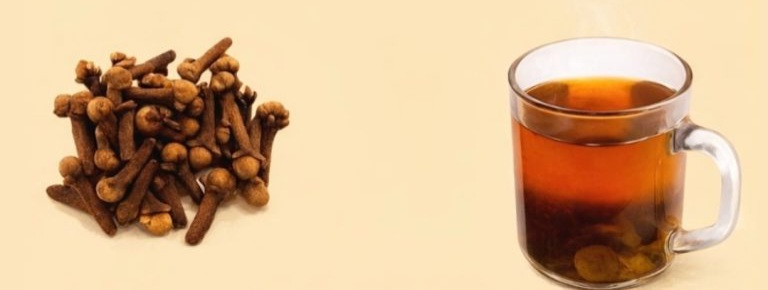
Clove tea is a traditional herbal infusion made from the dried flower buds of the clove tree, Syzygium aromaticum. Known for its bold aroma and warming sensation, this caffeine-free drink has been used for generations in many cultures — especially during colder months or after heavy meals.Let’s take a balanced look at what it offers and how to use it safely.What Is Clove Tea?Clove tea is prepared by simmering whole cloves in water to extract their natural oils, especially eugenol, the compound responsible for their distinctive scent and mild warming effect.The result is:Deeply aromaticNaturally spicyCaffeine-freeSimple to prepareTraditional UsesIn folk wellness systems, clove tea has commonly been used to:Promote a Feeling of WarmthCloves are considered a “warming spice,” making the tea popular in cold weather.Support Digestive ComfortTraditionally taken after meals to ease feelings of heaviness, gas, or bloating.Encourage Circulatory StimulationThe warming sensation may create a subjective feeling of improved circulation, especially in people who often feel cold.Provide General BalanceBecause cloves contain antioxidant plant compounds, they are often included in broader herbal routines.What Modern Science SuggestsCloves contain:AntioxidantsEugenol (studied for anti-inflammatory and antimicrobial properties)Volatile oilsResearch shows cloves have strong antioxidant capacity in laboratory settings. However:Clove tea is not a cure for medical conditions.Effects are generally mild when consumed as tea.Benefits are supportive rather than therapeutic.How to Make Clove TeaSimple Traditional RecipeIngredients:4–6 whole cloves1 cup (250 ml) waterOptional: ginger, honey, lemonInstructions:Bring water to a boil.Add cloves.Simmer 5–10 minutes.Let steep another 5 minutes.Strain and enjoy warm.For a milder version, use 2–3 cloves instead.How to Drink ItFor most adults:✔ 1 cup per day is generally sufficient✔ Best after meals or in the evening✔ Sip slowly while warmBecause cloves are potent, more is not better.Ways to Soften the FlavorIf the taste feels too intense:Add fresh ginger for smoother warmthStir in a little honeyAdd a squeeze of lemonThese combinations are common in traditional home preparations.Safety NotesClove tea is generally safe in moderation, but avoid excessive intake if you:Have a sensitive stomachExperience acid reflux triggered by spicesAre taking blood-thinning medicationAre pregnant (consult a healthcare provider first)Never consume clove essential oil internally unless supervised by a professional — it is far more concentrated than tea.Final ThoughtsClove tea is valued for its:SimplicityStrong warming characterDigestive comfort supportLong cultural traditionIt works best as a comforting daily ritual, not as a medical treatment.A small cup, enjoyed mindfully, can provide warmth and aromatic comfort — especially during cold weather or after a heavy
Clove tea is a traditional herbal infusion made from the dried flower buds of the clove tree, Syzygium aromaticum. Known for its bold aroma and warming sensation, this caffeine-free drink has been used for generations in many cultures — especially during colder months or after heavy meals.Let’s take a balanced look at what it offers and how to use it safely.What Is Clove Tea?Clove tea is prepared by simmering whole cloves in water to extract their natural oils, especially eugenol, the compound responsible for their distinctive scent and mild warming effect.The result is:Deeply aromaticNaturally spicyCaffeine-freeSimple to prepareTraditional UsesIn folk wellness systems, clove tea has commonly been used to:Promote a Feeling of WarmthCloves are considered a “warming spice,” making the tea popular in cold weather.Support Digestive ComfortTraditionally taken after meals to ease feelings of heaviness, gas, or bloating.Encourage Circulatory StimulationThe warming sensation may create a subjective feeling of improved circulation, especially in people who often feel cold.Provide General BalanceBecause cloves contain antioxidant plant compounds, they are often included in broader herbal routines.What Modern Science SuggestsCloves contain:AntioxidantsEugenol (studied for anti-inflammatory and antimicrobial properties)Volatile oilsResearch shows cloves have strong antioxidant capacity in laboratory settings. However:Clove tea is not a cure for medical conditions.Effects are generally mild when consumed as tea.Benefits are supportive rather than therapeutic.How to Make Clove TeaSimple Traditional RecipeIngredients:4–6 whole cloves1 cup (250 ml) waterOptional: ginger, honey, lemonInstructions:Bring water to a boil.Add cloves.Simmer 5–10 minutes.Let steep another 5 minutes.Strain and enjoy warm.For a milder version, use 2–3 cloves instead.How to Drink ItFor most adults:✔ 1 cup per day is generally sufficient✔ Best after meals or in the evening✔ Sip slowly while warmBecause cloves are potent, more is not better.Ways to Soften the FlavorIf the taste feels too intense:Add fresh ginger for smoother warmthStir in a little honeyAdd a squeeze of lemonThese combinations are common in traditional home preparations.Safety NotesClove tea is generally safe in moderation, but avoid excessive intake if you:Have a sensitive stomachExperience acid reflux triggered by spicesAre taking blood-thinning medicationAre pregnant (consult a healthcare provider first)Never consume clove essential oil internally unless supervised by a professional — it is far more concentrated than tea.Final ThoughtsClove tea is valued for its:SimplicityStrong warming characterDigestive comfort supportLong cultural traditionIt works best as a comforting daily ritual, not as a medical treatment.A small cup, enjoyed mindfully, can provide warmth and aromatic comfort — especially during cold weather or after a heavy
Clove tea is a traditional herbal infusion made from the dried flower buds of the clove tree, Syzygium aromaticum. Known for its bold aroma and warming sensation, this caffeine-free drink has been used for generations in many cultures — especially during colder months or after heavy meals.Let’s take a balanced look at what it offers and how to use it safely.What Is Clove Tea?Clove tea is prepared by simmering whole cloves in water to extract their natural oils, especially eugenol, the compound responsible for their distinctive scent and mild warming effect.The result is:Deeply aromaticNaturally spicyCaffeine-freeSimple to prepareTraditional UsesIn folk wellness systems, clove tea has commonly been used to:Promote a Feeling of WarmthCloves are considered a “warming spice,” making the tea popular in cold weather.Support Digestive ComfortTraditionally taken after meals to ease feelings of heaviness, gas, or bloating.Encourage Circulatory StimulationThe warming sensation may create a subjective feeling of improved circulation, especially in people who often feel cold.Provide General BalanceBecause cloves contain antioxidant plant compounds, they are often included in broader herbal routines.What Modern Science SuggestsCloves contain:AntioxidantsEugenol (studied for anti-inflammatory and antimicrobial properties)Volatile oilsResearch shows cloves have strong antioxidant capacity in laboratory settings. However:Clove tea is not a cure for medical conditions.Effects are generally mild when consumed as tea.Benefits are supportive rather than therapeutic.How to Make Clove TeaSimple Traditional RecipeIngredients:4–6 whole cloves1 cup (250 ml) waterOptional: ginger, honey, lemonInstructions:Bring water to a boil.Add cloves.Simmer 5–10 minutes.Let steep another 5 minutes.Strain and enjoy warm.For a milder version, use 2–3 cloves instead.How to Drink ItFor most adults:✔ 1 cup per day is generally sufficient✔ Best after meals or in the evening✔ Sip slowly while warmBecause cloves are potent, more is not better.Ways to Soften the FlavorIf the taste feels too intense:Add fresh ginger for smoother warmthStir in a little honeyAdd a squeeze of lemonThese combinations are common in traditional home preparations.Safety NotesClove tea is generally safe in moderation, but avoid excessive intake if you:Have a sensitive stomachExperience acid reflux triggered by spicesAre taking blood-thinning medicationAre pregnant (consult a healthcare provider first)Never consume clove essential oil internally unless supervised by a professional — it is far more concentrated than tea.Final ThoughtsClove tea is valued for its:SimplicityStrong warming characterDigestive comfort supportLong cultural traditionIt works best as a comforting daily ritual, not as a medical treatment.A small cup, enjoyed mindfully, can provide warmth and aromatic comfort — especially during cold weather or after a heavy