
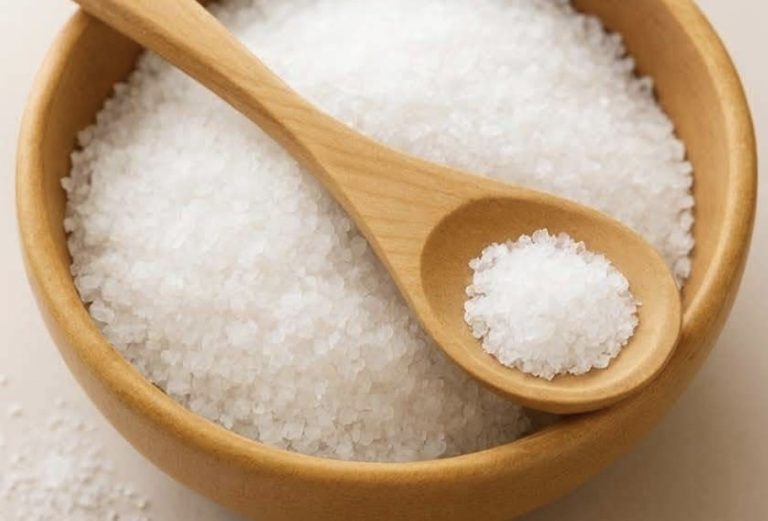
A Simple Habit That Might Be Worth Trying
Advertisement
Waking up stiff, dealing with restless nights, or feeling bloated and uncomfortable has become “normal” for many people. These small, daily discomforts slowly drain your energy and make even simple tasks feel harder than they should.
But what if a tiny, natural habit could help you feel a little better in the morning?
This evening ritual takes less than ten seconds, costs almost nothing, and uses something you already have in your kitchen: natural salt. Thousands of people now swear by it as part of their nightly routine.
Let’s break down how it works, who it might help, and who should avoid it.
Why Salt Has a Bad Reputation (and Why That’s Only Half the Story)
We’ve been told for years to “cut back on salt” — and that warning is valid when we’re talking about excess processed sodium from fast food, packaged snacks, and heavily salted meals. Too much of that kind of salt can raise blood pressure in some people.
But natural, unrefined salt (like Himalayan pink salt or pure sea salt) is different. In small amounts, it contains dozens of trace minerals that the body needs for:
- Fluid balance
- Nerve function
- Muscle function
- Overall electrolyte support
Your body constantly regulates sodium and water, especially at night. A tiny pinch of good-quality saltbefore bed may gently support that natural process — without overloading your system.
The Simple “Before-Bed Salt Ritual”
Here’s how people are doing this safely:
- Choose a natural, unrefined salt
– Himalayan pink, Celtic sea salt, or Redmond Real Salt
– Avoid regular table salt with anti-caking agents if possible - Right before bed, place a small pinch under your tongue
– About what fits on the tip of your fingernail (around ⅛ teaspoon or less) - Let it dissolve slowly
– Don’t chug water immediately; give it 30–60 seconds - After that, sip a small glass of water if you feel like it, then go to sleep
That’s it. Just a few seconds — then you go to bed as usual.
What Many People Notice After a Few Nights
Everyone’s body is different, and this is not a miracle cure. But people who try this consistently for several days often report things like:
- Less morning stiffness in knees, back, and hands
- Calmer, less “restless” legs at night
- Waking up feeling more hydrated (less dry mouth)
- Easier, more regular bathroom visits in the morning
- A gentle feeling of relaxation that helps them drift off more easily
These effects are likely connected to how minerals and sodium support:
- Adrenal function
- Hydration and electrolyte balance
- Nerve and muscle relaxation
Advertisement
This can be especially noticeable if you:
- Sweat a lot during the day
- Eat low-carb or low-salt
- Drink lots of water but still feel “dry” or crampy
The Science in Simple Terms
Your adrenal glands produce a hormone called aldosterone, which helps your kidneys hold onto the right amount of sodium and water.
When you’re stressed, dehydrated, or low on minerals, this balance can be off — and cells can feel slightly “dehydrated” overnight.
A tiny pinch of natural salt before bed:
- Provides minerals in a form your body can use
- Supports normal fluid and electrolyte balance
- May help you wake up feeling less “dry,” tight, or stiff
We’re talking about a very small amount, well within normal daily intake for most healthy people.
Best Types of Salt for This Habit
Here’s a quick guide:
- Himalayan pink salt
– Rich in trace minerals
– Slightly coarse, pretty color
– Very popular option - Celtic sea salt
– Moist, grey, also high in minerals
– Slightly “briny” flavor - Redmond Real Salt
– Fine, easy to dissolve
– Naturally rich in minerals - Regular table salt
– Highly processed, usually just sodium + added iodine
– Often contains anti-caking agents
– Not ideal for this ritual, but you can use it in a pinch if you have nothing else
Safety First: Who Should Not Try This Without a Doctor
This habit is not for everyone.
Talk to your healthcare provider first (or skip this completely) if you:
- Are on a strict low-sodium diet
- Have uncontrolled high blood pressure
- Have kidney or serious heart problems
- Retain water easily (swelling in feet, hands, or face)
- Take blood pressure or heart medications that affect sodium balance
When in doubt: ask your doctor before adding extra salt, even a small amount.
Simple Tips to Make It More Effective
You can enhance the benefits of this routine with a few extra habits:
- Pair the pinch of salt with a small glass of warm water + a squeeze of lemon for extra hydration support
- Try to finish your big glasses of water 60–90 minutes before bed so you don’t wake up all night to use the bathroom
- Keep a tiny jar of high-quality salt on your nightstand so you don’t forget
And remember: this works best as part of an overall healthy routine — not as a replacement for it.
Common Questions
Will this raise my blood pressure?
In healthy people, a very small pinch (less than ⅛ teaspoon) of mineral-rich salt is usually within safe daily limits and is unlikely to have a big effect. But if you have high blood pressure, heart issues, or any concerns, always speak with your doctor first.
Can I just drink salt water instead?
You can, but many people prefer placing the salt under the tongue because:
- It absorbs slowly
- You don’t have to drink a salty-tasting glass of water
What if I only have regular table salt?
It will still provide sodium, but unrefined salts offer extra trace minerals many people find helpful. When you can, switch to a natural sea salt or Himalayan salt.
The Bottom Line
A tiny pinch of natural salt under the tongue before bed is one of those simple habits that some people find surprisingly helpful.
It’s not magic. It won’t fix serious medical problems. But it might:
- Help you feel more hydrated
- Ease some stiffness
- Support a calmer, more restful night
Try it for a week, listen to your body, and see how you feel — as long as it’s safe for your health situation.
Important Disclaimer
This information is for educational purposes only and is not medical advice.
Always consult your doctor or healthcare provider before trying new health practices, especially if you:
- Have high blood pressure
- Have kidney or heart problems
- Are on a sodium-restricted diet
- Take medications that affect fluid or electrolyte balance